Why pet companionship matters
Why pet companionship matters more as we age: the research on loneliness, blood pressure, and routine
Picture a typical Tuesday for someone in their late 70s, living alone. The days can start to blur together: no one to talk to over coffee, no particular reason to get dressed before noon, no interruption to the quiet except the television. It's a familiar picture for a lot of older adults, and it's exactly the kind of day a pet quietly rewrites.
It's no secret that pets improve quality of life. What's newer is how much research now backs that up, and how specific the benefits turn out to be once scientists start measuring them: less loneliness, lower blood pressure, and a daily routine that keeps both body and mind engaged. Here's what the science actually says.
The loneliness research
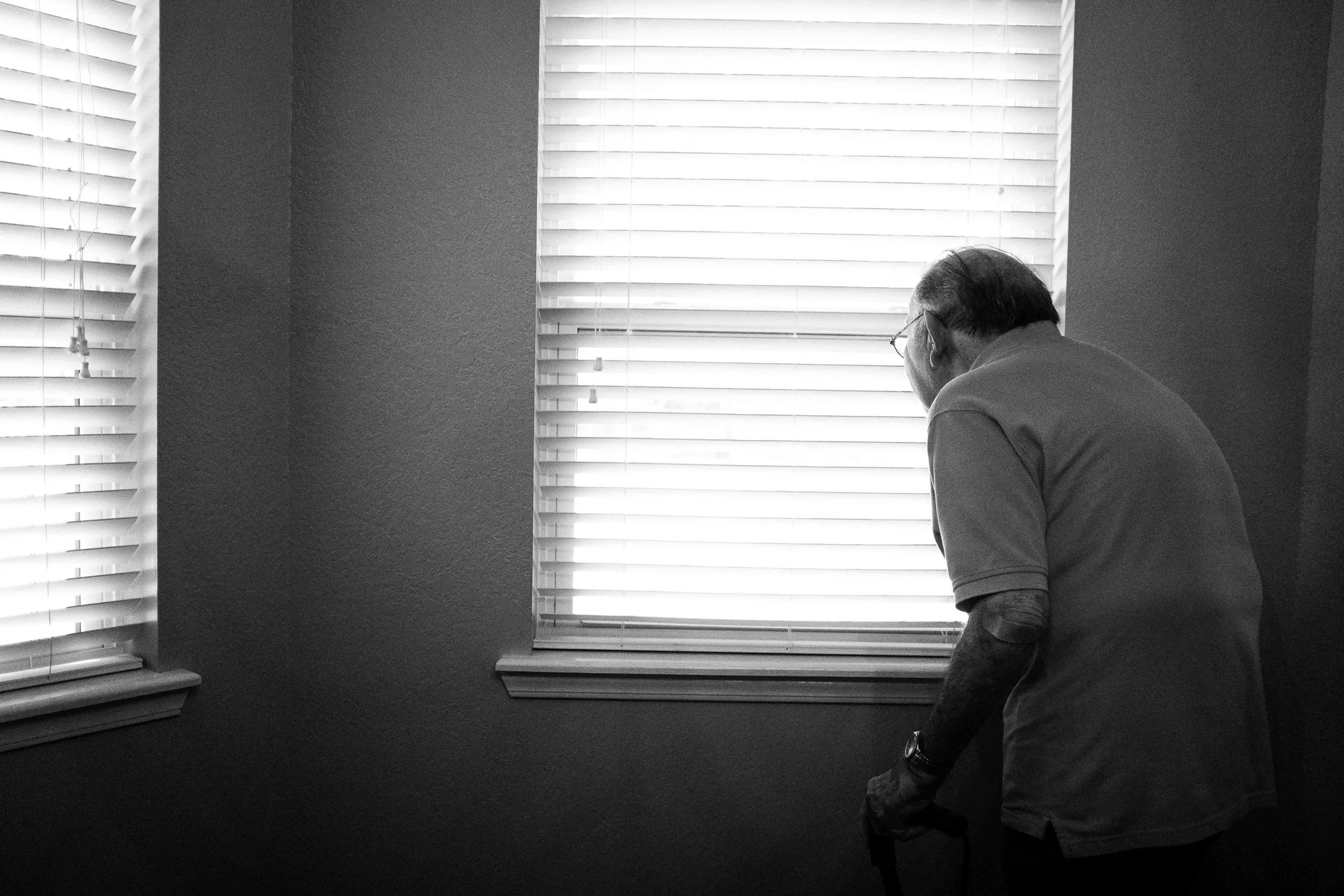
Loneliness isn't just uncomfortable. Among older adults, it's a documented health risk. Roughly one in four adults 65 and older experiences social isolation, and NIA-funded research has linked chronic loneliness to a 31% higher risk of dementia. A 2025 analysis went further, tying loneliness to a 14% higher risk of Alzheimer's disease, a 17% higher risk of vascular dementia, and a 12% higher risk of general cognitive impairment.
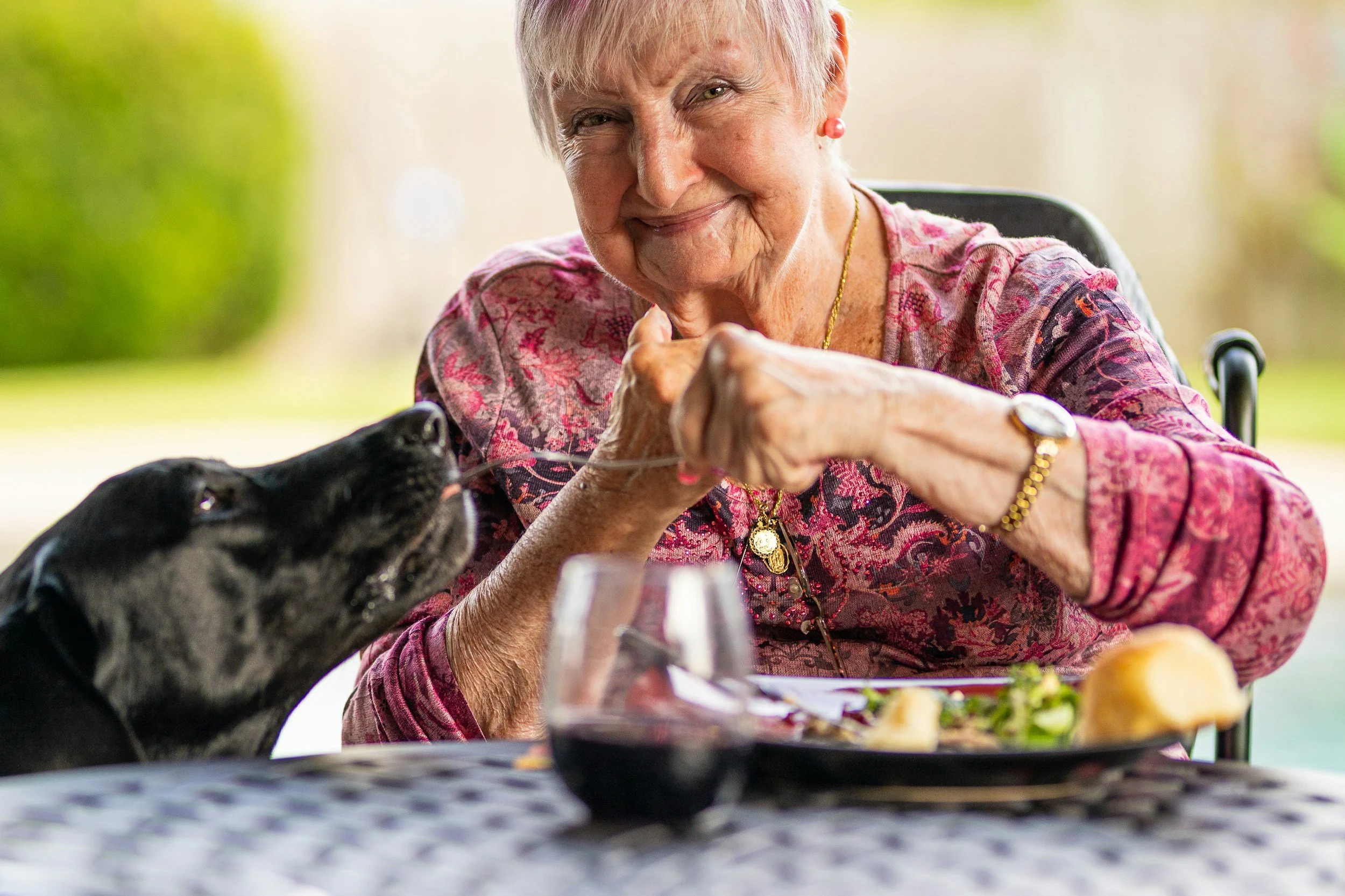
Pets change that equation. A University of Rochester Medical Center study of 830 adults 60 and older found that pet owners were 36% less likely to report loneliness than their non-pet-owning peers. A separate four-year study out of the Mather Institute, following nearly 2,900 older adults with an average age of 82, found that pets didn't just make people feel less lonely in the moment; they strengthened people's broader social connections over time, and that stronger sense of connection went on to boost happiness and life satisfaction years later. Dog owners in particular saw the biggest gains, likely because a leash tends to lead to conversations with neighbors that a cat curled up on the couch doesn't.

The physical benefits, blood pressure included
The connection between a wagging tail and a calmer nervous system isn't just anecdotal. Neuropsychologist Dr. Thomas Schweinberg has described the effect of pets on older adults as genuinely therapeutic, noting that animal companionship helps reduce stress, lower blood pressure, and increase social interaction, all while giving someone a renewed sense of purpose through the simple act of caring for another living being.
Veterinarian Dr. Michelle Radwanski sums up the everyday version of this: "Animals improve our mood, improve our health, and make us smile more." That unconditional companionship, and the daily reasons it creates to get up and engage, adds up to something measurable, not just something that feels nice.
The quiet power of routine
Maybe the least talked-about benefit is also one of the best documented: routine.
The Baltimore Longitudinal Study of Aging followed 637 adults ages 50 to 100 for about seven and a half years and found that pet owners maintained their physical function significantly longer than non-owners. They held onto walking speed and cardiorespiratory fitness at a notably slower rate of decline, the kind of everyday physical resilience that keeps someone independent longer.
A pet builds structure into a day almost without anyone noticing it happen. Feeding times. Short walks. A reason to talk out loud, even if it's just to a cat who isn't listening. None of it looks like a health intervention, but over months and years, it functions like one.
What this means for Animals for Elders

The research is consistent: companionship, blood pressure, mood, purpose, physical resilience - all of it improves when an older adult has a pet by their side. But we also hear a different reality from the seniors we work with every week. The research says pets help people age well. The obstacle isn't usually willingness. It's cost.
That's the gap Animals for Elders exists to close. Our grant program covers up to $1,500 a year in approved pet expenses, food, supplies, and vet care, so that a fixed income doesn't have to mean choosing between a companion and a budget. If you know a senior who could use that support, or you'd like to help fund an application, we'd love to hear from you.
Sources: Barbieri, Mather Institute Age Well study (Innovation in Aging, 2025); Baltimore Longitudinal Study of Aging physical function study (Innovation in Aging, 2023); University of Rochester Medical Center loneliness study and NIA-funded dementia risk research, as reported by LTC News.