Choosing the Right Pet for a Senior's Lifestyle

Choosing the Right Pet for a Senior's Lifestyle: Energy Level, Size, and Mobility Considerations
More than half of adults 50 and older share their home with a pet, and a 2025 University of Michigan National Poll on Healthy Aging found that 57% of adults 50 to 80 currently own one. The benefits are real: 83% of those pet owners say their pet gives them a sense of purpose, and 44% say their pet keeps them more physically active. But the poll also found something worth pausing on. None of those benefits are automatic. They depend heavily on choosing a pet that actually fits the life the person already has, not the life they wish they had more energy for.
That's the question we hear most from seniors and families exploring adoption through Animals for Elders: not "should I get a pet," but "which pet."
Here's how to think it through.
Start with your own mobility, not the pet's cuteness



It's tempting to fall for the animal with the most personality in the shelter kennel, but the more useful starting question is a personal one: how much can you physically do on an average day, and how much can you commit to on a hard one? American Humane's guidance for seniors puts it plainly: pet selection should be based on your "health, mobility, and ability to provide long-term care," not on which animal you're drawn to first. For someone with limited mobility or who lives in an apartment, a cat is often suggested as the better fit. For someone who genuinely enjoys walking and has easy access to outdoor space, a dog can be a wonderful built-in reason to get out the door.
Cats in particular deserve more credit here than they usually get. American Humane's guidance on cats and seniors notes that everyday care, like scooping a litter box or refilling food and water, keeps you moving without demanding strenuous activity, and that most adult cats only need about 20 to 30 minutes of daily play, which can happen entirely from a chair with a wand toy or a laser pointer.
Match energy level to the routine you actually have
Once mobility is settled, energy level is next, and it's worth being honest here rather than optimistic. The American Kennel Club's guidance for senior adopters recommends deciding upfront whether you can realistically manage two extended walks a day or whether you'd rather a pet get most of its exercise in the yard. Folks who are active and outdoorsy may do well with a sporting or herding type, while someone who spends most of the day at home is often better matched with a smaller, calmer breed that's just as happy curled up beside them.
This is one of the strongest arguments for adopting an adult or senior pet instead of a puppy or kitten. Adult pets already have a known personality and energy level, so there's far less guesswork involved, and American Humane notes that older pets typically have calmer temperaments, need less training, and settle into quiet households more easily. It's also simply kinder math: a young, high-energy animal and a slower-paced household can end up frustrating for both of you.
Size matters more than it seems at first
Size isn't just an aesthetic preference; it's a practical safety and cost question. A large, strong dog that pulls on a leash can be genuinely risky for someone managing balance or joint issues, and a bigger animal underfoot at home is a real trip hazard. Smaller dogs and cats are simply easier to handle physically, and they tend to cost less to feed and treat, which matters given what pet ownership actually runs.
If you know you want a dog but aren't sure what size or temperament will suit you, the AKC's advice is to consider an adult, purebred rescue dog, since breed gives you a reasonably predictable adult size, coat, and energy level without having to guess how a puppy will turn out. A shelter or rescue partner can also just tell you plainly, based on the dog in front of them, whether they're a good match for your day-to-day life.

What this costs, and how AFE can help
None of this is only a comfort question. It's a budget one too. The same University of Michigan poll found that 31% of pet owners aged 50 to 80 report that caring for a pet strains their budget, nearly double the 18% who said the same in 2018, and 33% of non-owners say cost is the main reason they don't have a pet at all. Choosing a smaller, lower-maintenance animal can help, but it doesn't erase the expense of adoption fees, vet visits, food, and supplies.
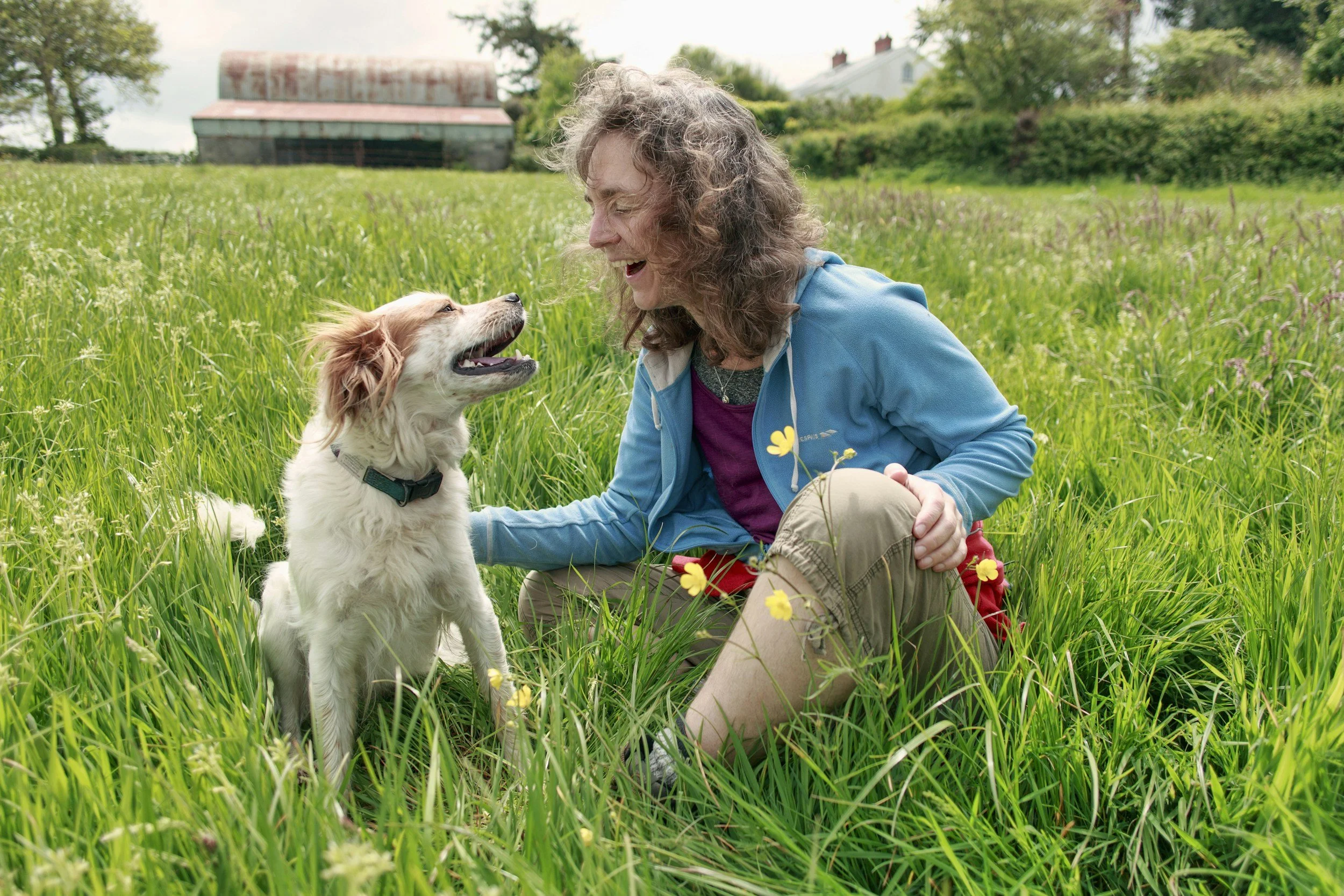
That's exactly the gap AFE's grant program is built to close. If you're 70 or older and the cost of adopting, or of keeping a pet you already have, is the only thing standing in the way, we can help cover up to $1,500 a year in approved expenses. Our shelter partners, like Ruff Start Rescue, can also help you think through energy level, size, and mobility in person, since they know their animals best. Learn more about the grant program, or reach out to us directly at hello@animalsforelders.org if you'd like help finding the right fit.